Puffy Nipples: When a Small Concern Makes a Big Impact on Confidence
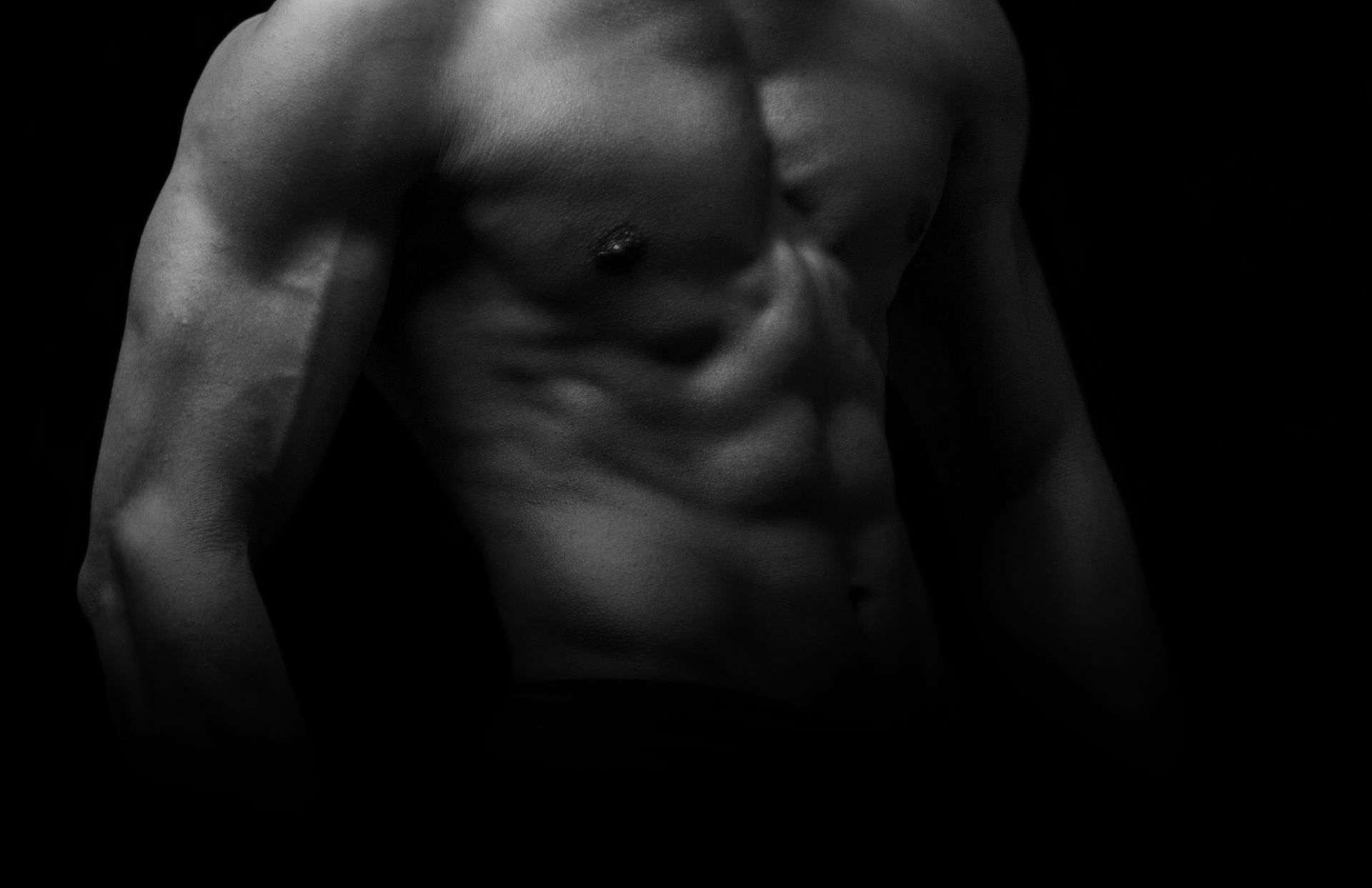
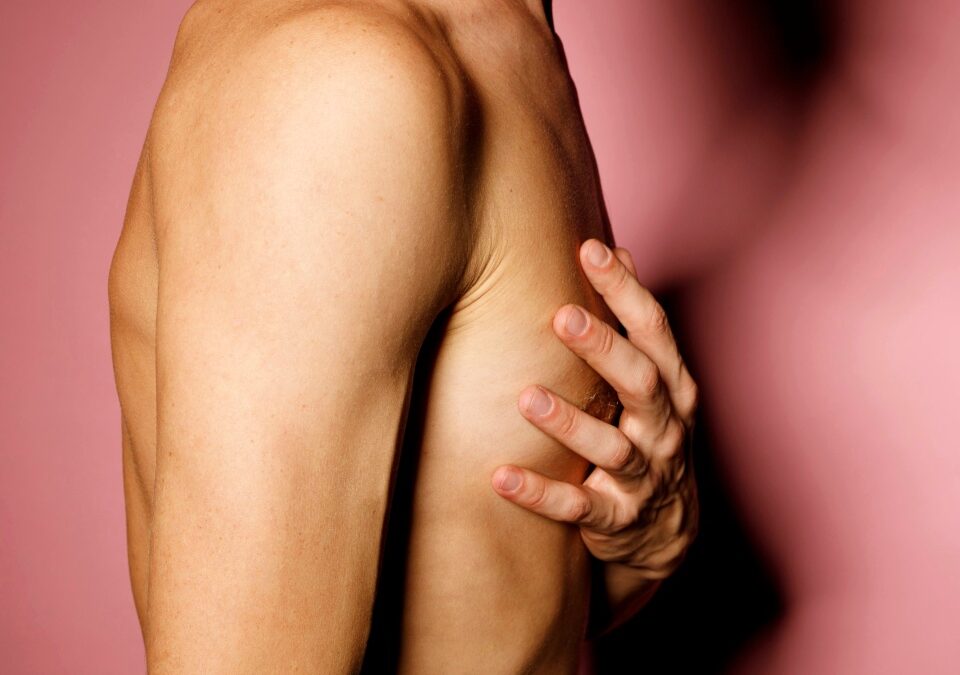
Not every case of gynecomastia involves a large amount of breast tissue. For many men, the concern is more subtle but still frustrating: nipples and areolas that look puffy, cone-shaped, or protruding. It might show through a fitted T-shirt, appear when you’re at the gym, or make you feel self-conscious taking off your shirt at the pool.
Puffy nipples are often a mild form of gynecomastia, sometimes called Grade I gynecomastia. And even though the issue may look small, it can have a big impact on confidence. At Capital Gynecomastia Center, Dr. Marwan Khalifeh, MD, performs more than 200 gynecomastia procedures each year. Dr. Khalifeh graduated summa cum laude from the University of Pennsylvania, earned his medical degree from Vanderbilt University School of Medicine, and completed his general surgery and plastic and reconstructive surgery training at Johns Hopkins University, where he served as chief resident. He is board-certified by the American Board of Plastic Surgery and brings more than 20 years of surgical experience.
Here’s what you should know about puffy nipples, why they happen, and how they can be treated.
What Causes Puffy Nipples?
Puffy nipples in men are usually caused by a small amount of glandular breast tissue located directly beneath the nipple and areola. This tissue pushes the area outward, creating a raised or cone-shaped appearance.
Common contributing factors include:
- Hormonal Changes: An imbalance between estrogen and testosterone can stimulate glandular tissue growth.
- Puberty: Many boys develop some breast tissue during puberty that doesn’t fully go away.
- Medications and Supplements: Certain medications, anabolic steroids, and some supplements can contribute.
- Weight Changes: Fat around the chest can make puffiness more noticeable.
- Genetics: Some men may be more prone to developing glandular tissue.
In some cases, no clear cause can be identified.
Is It Fat or Gland?
Many men with puffy nipples assume the problem is fat and try to fix it with diet and chest workouts. While losing weight can reduce fat around the chest, it usually doesn’t eliminate glandular tissue.
- Pseudogynecomastia: Enlargement caused mainly by fat, which may improve with weight loss.
- True Gynecomastia: Enlargement caused by glandular tissue, which typically doesn’t respond to diet or exercise.
- Mixed Gynecomastia: A combination of fat and glandular tissue.
If your nipples remain puffy despite being lean and fit, glandular tissue is likely the cause. An evaluation can help determine what’s behind the concern.
Why Puffy Nipples Can Be So Frustrating
Because puffy nipples are often seen in men who are otherwise fit, the concern can feel especially discouraging. Men commonly report:
- Avoiding Fitted Shirts: Choosing loose or layered clothing to hide the chest.
- Feeling Self-Conscious at the Gym: Especially in athletic wear.
- Avoiding Pools and Beaches: Not wanting to take off their shirt.
- Posture Changes: Hunching the shoulders to minimize the chest.
- Frustration After Hard Work: Putting in effort at the gym without seeing the chest they want.
Treatment Options for Puffy Nipples
Because puffy nipples are usually caused by glandular tissue, surgery is often the most effective long-term solution. Treatment is tailored to each patient and may include:
- Gland Excision: Removing the glandular tissue beneath the nipple and areola, often through a small incision along the lower edge of the areola.
- Liposuction: Removing excess fat to refine and smooth the chest contour.
- Areola Reduction: Reducing the size of enlarged areolas when needed.
Dr. Khalifeh’s goal is to create a chest that looks flat, masculine, and proportional, as if it had never been affected by gynecomastia.
What to Expect From Surgery
Surgery for puffy nipples is typically less extensive than surgery for more advanced gynecomastia. While every patient’s experience is different, here’s a general overview:
- Consultation: Dr. Khalifeh examines your chest, reviews your medical history, and discusses your goals.
- Surgery: Glandular tissue is removed, and liposuction may be used to refine the contour.
- Compression Garment: You’ll wear a compression vest to support healing and reduce swelling.
- Early Recovery: Many patients return to desk work within several days.
- Return to Exercise: Most patients gradually resume workouts after a few weeks, following their surgeon’s guidance.
Swelling improves over several weeks, and final results become more apparent over a few months.
Are You a Good Candidate?
You may be a candidate for surgery if you:
- Have Persistent Puffy Nipples: That haven’t improved with time or weight loss.
- Are at a Stable Weight: Near your healthy weight.
- Are in Good Overall Health: Healthy patients typically heal more smoothly.
- Have Stopped Contributing Substances: If medications or steroids are a factor, your doctor may recommend addressing these first.
- Have Realistic Expectations: Understanding what surgery can achieve.
Teens who develop puffy nipples during puberty may see improvement over time, so an evaluation can help determine the right timing. This blog is for educational purposes only and isn’t a substitute for medical advice.
Why Fall Can Be a Great Time for Surgery
Many men choose to have gynecomastia surgery in the fall and winter. Layered clothing makes it easy to conceal a compression vest, and there’s plenty of time to heal before summer. Planning now can mean heading into pool season with new confidence.
Puffy Nipple FAQs
- Can exercise get rid of puffy nipples? Exercise can reduce fat, but it usually doesn’t eliminate glandular tissue.
- Will I have visible scars? Incisions are typically placed along the edge of the areola, where they tend to blend in as they heal.
- Is puffy nipple surgery painful? Most patients report mild to moderate discomfort that improves within a few days.
- Can puffy nipples come back? Results are generally long-lasting, but significant weight gain, certain medications, or steroid use can affect results.
Regain Your Confidence at Capital Gynecomastia Center
You don’t have to keep hiding your chest under loose shirts. With specialized care, you can achieve a flatter, more masculine chest and feel comfortable in your own skin.
Schedule your consultation with Dr. Marwan Khalifeh at Capital Gynecomastia Center today. Visit our Tysons Corner office at 7601 Lewinsville Rd, Suite #300, McLean, VA 22102. Our Columbia, Maryland office is located at 9175 Guilford Road, Suite #216, Columbia, MD 21046.
Medically reviewed by Marwan Khalifeh, MD on
Posted on behalf of
7601 Lewinsville Rd, Suite #300
McLean, VA 22102
Phone: (202) 350-2273
[email protected]
Monday - Friday:
9:00 AM - 4:30 PM